
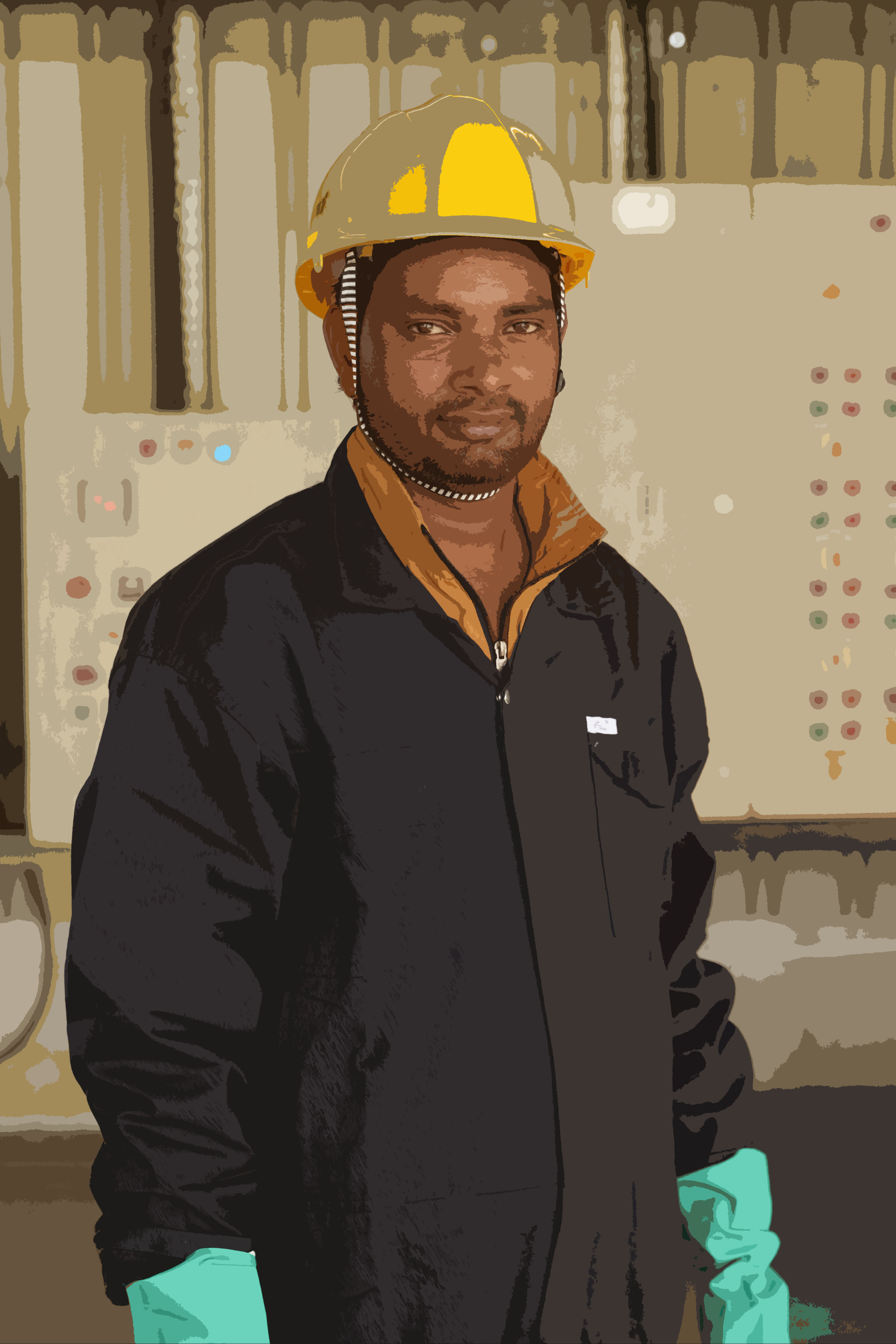
Bunty, a Safai Karmachari in the industrial town of Rudrapur, has spent the last nine years becoming an indispensable pillar of the Rudrapur Nagar Nigam. From operating desludging trucks to keeping markets clean, managing solid waste systems, and responding first to any task, big or small, Bunty is known as the Nigam’s go-to person. His work keeps the industrial town functioning smoothly every single day.
Despite the misconceptions society often holds about sanitation work, Bunty approaches his role with immense pride and clarity of purpose. He often reminds others that sanitation is a vital public service, one that directly influences the health and wellbeing of every citizen. He believes strongly that everyone plays a part in keeping their surroundings clean and functioning, and that recognizing these interlinkages can transform attitudes for the better.
Though social stigma still exists, Bunty chooses to focus on the impact he creates. His commitment to his family keeps him motivated as he works toward providing his son with quality education and a bright future. Even as a contractual worker, he remains hopeful that one day he will become a permanent government employee, an aspiration that fuels his determination every day.
Among everything he uses in his daily work, Bunty holds a special respect for his PPE kit. To him, it is more than protective gear- it symbolizes safety, dignity, and professionalism. He describes it as essential and irreplaceable, a tool that enables him to carry out his responsibilities with confidence. His reflection, comparing society’s attitude toward sanitation to the way his PPE cannot be placed on the family table, highlights both his insight and his hope for a future where all workers are treated with equal respect.
Today, a positive change is beginning to show in the Nigam office. With the administration introducing health insurance, medical camps, and bonus policies for sanitation workers, Bunty feels seen and valued. Within the Nigam office too, he is recognized for his hard work and unwavering dedication, earning the respect of colleagues and supervisors alike.
Bunty’s story is ultimately one of resilience, pride, and a quiet yet powerful call for recognition. His work keeps the city running, and his commitment reflects the dignity of labour in its truest form. As society gradually shifts its perception, Bunty stands as a reminder that essential workers deserve not just acknowledgement but appreciation—and a rightful seat at the table.